
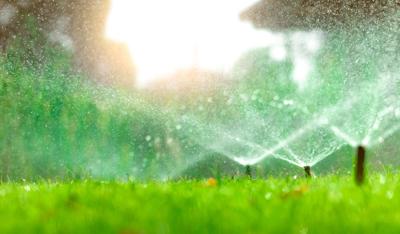
If you’ve installed an automatic irrigation system in your lawn, you already know you’ve made a significant investment in your lawn’s health. Protect that investment by taking the proper steps to turning it on for the first time in the season. Irrigation systems involve many small moving parts and a constant water flow, and these elements require frequent maintenance. You should perform an inspection at least twice a year — when you start up for spring and when you close up for winter.
START UP AFTER FREEZING ENDS
You can handle many elements of preparation yourself with a little know-how and care. If you properly winterized your system last fall, you’ve already drained and blown out all the excess water, so the pipes are clear. Check the weather report before turning on your system for the first time. Frozen water is an irrigation system’s greatest nemesis. Make sure you’ve passed the season’s last frost before turning things on.
If you activate your system yourself, make sure you check all zones to make sure the heads are working properly and rotors and sprayers are doing what they should be doing. Look closely for water bubbling up around the heads. That could indicate a crack or a leak that will need to be repaired. In any case, it’s a good idea to hire an irrigation professional to perform a thorough inspection, which can help pinpoint leaks or other potential problems. This service usually costs between $65 and $100. This inspection helps catch problems early. For minor problems, early repair will prevent your system from wasting water. And for bigger problems, you could prolong your system’s life by repairing them before they cause major damage. A technician can also offer advice about the best way to set up each sprinkler head to allocate water use. An irrigation inspector will check for leaks, check for wiring issues, verify that the timer is working properly, slowly pressurize the main line, check the rain sensor, check all the zones for proper function and spray patterns, straighten crooked heads, and perhaps most importantly, test the backflow preventer.
CHECK THE BACKFLOW
Your backflow preventer is a crucial component of the irrigation system, and often you can’t check it yourself. Outdoor water can easily become tainted by fertilizers, pesticides and animal waste. If that material flows back into the potable water system, your family could easily become sick by drinking the tainted water. A backflow preventer makes sure the flow of irrigation water goes only one way: out!
In fact, this is so important that many municipalities require irrigation system owners to hire a certified professional to perform a test and verify it works, even if you aren’t performing separate maintenance. In most cases, a pro will include this service as part of the overall system inspection. Check your local regulations for details, and even if it’s not required, strongly consider a backflow inspection anyway.
Original Source: https://www.wvnews.com/ask-angie-s-list-how-should-i-prepare-my-irrigation/article_8fcba7e2-6d70-58bd-856b-1196ed820e10.html
Original Date: April 7 2019
Written By: Paul F.P. Pogue